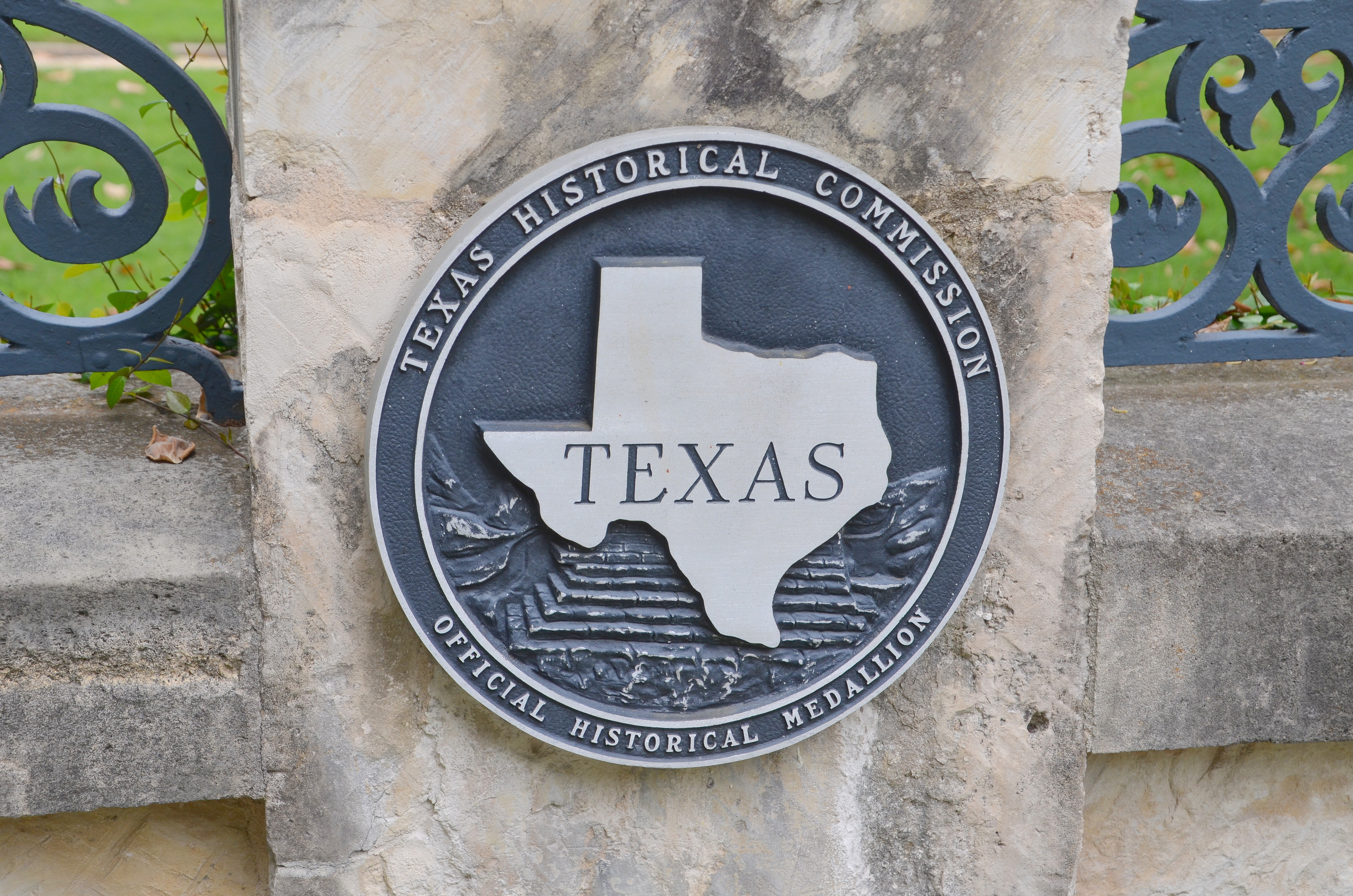
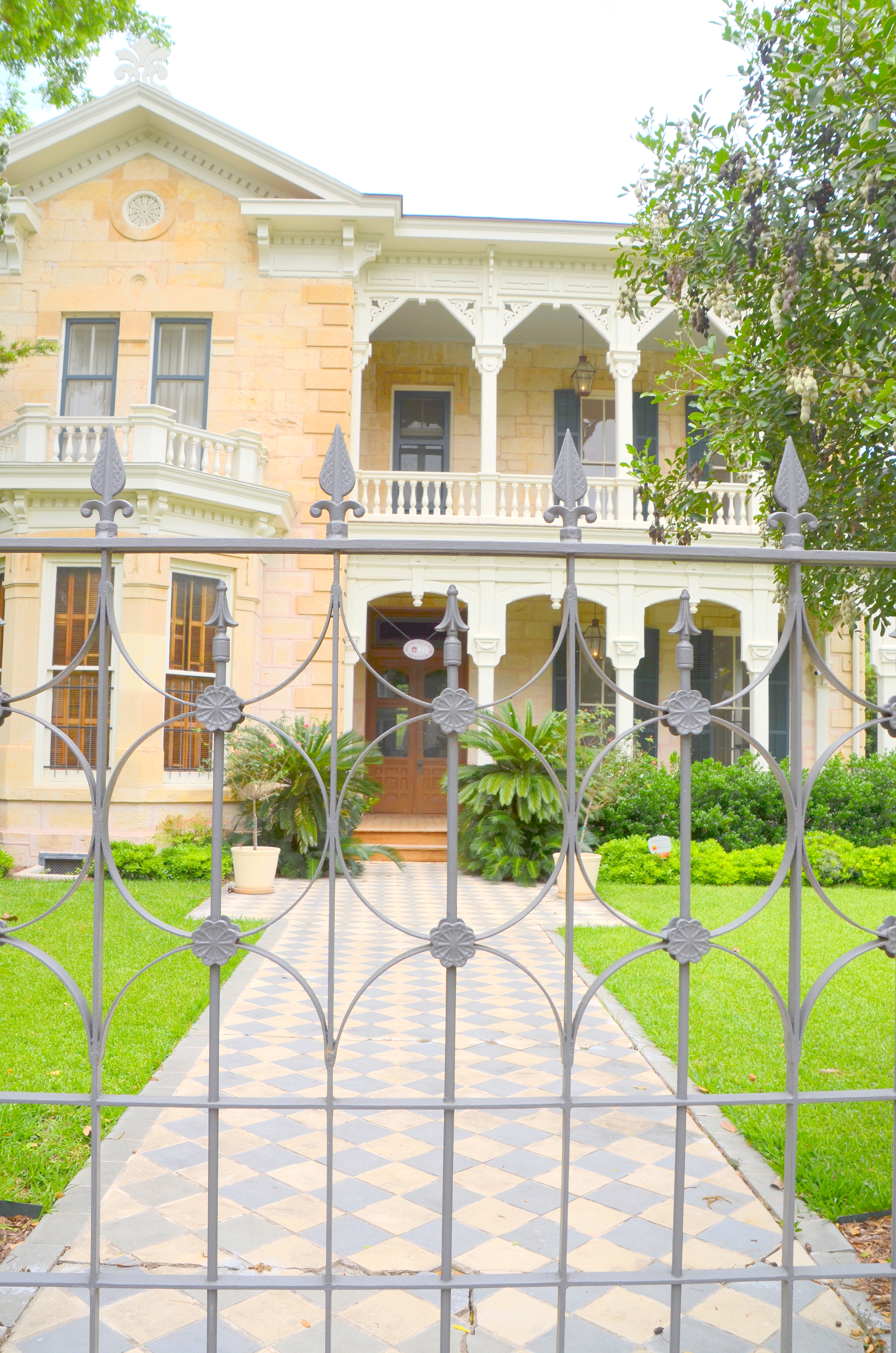
I’ll be linking this post to signs, signs with Lesley and to Good Fences #114 with TexWisGirl because of the historic signs and the beautiful detailed fences on this grand street in San Antonio, Texas. Although it was very hot and muggy on the day I took the trolley tour I managed to walk along this street and enjoy snapping photos. The detailed information was gathered from googling King William Street.
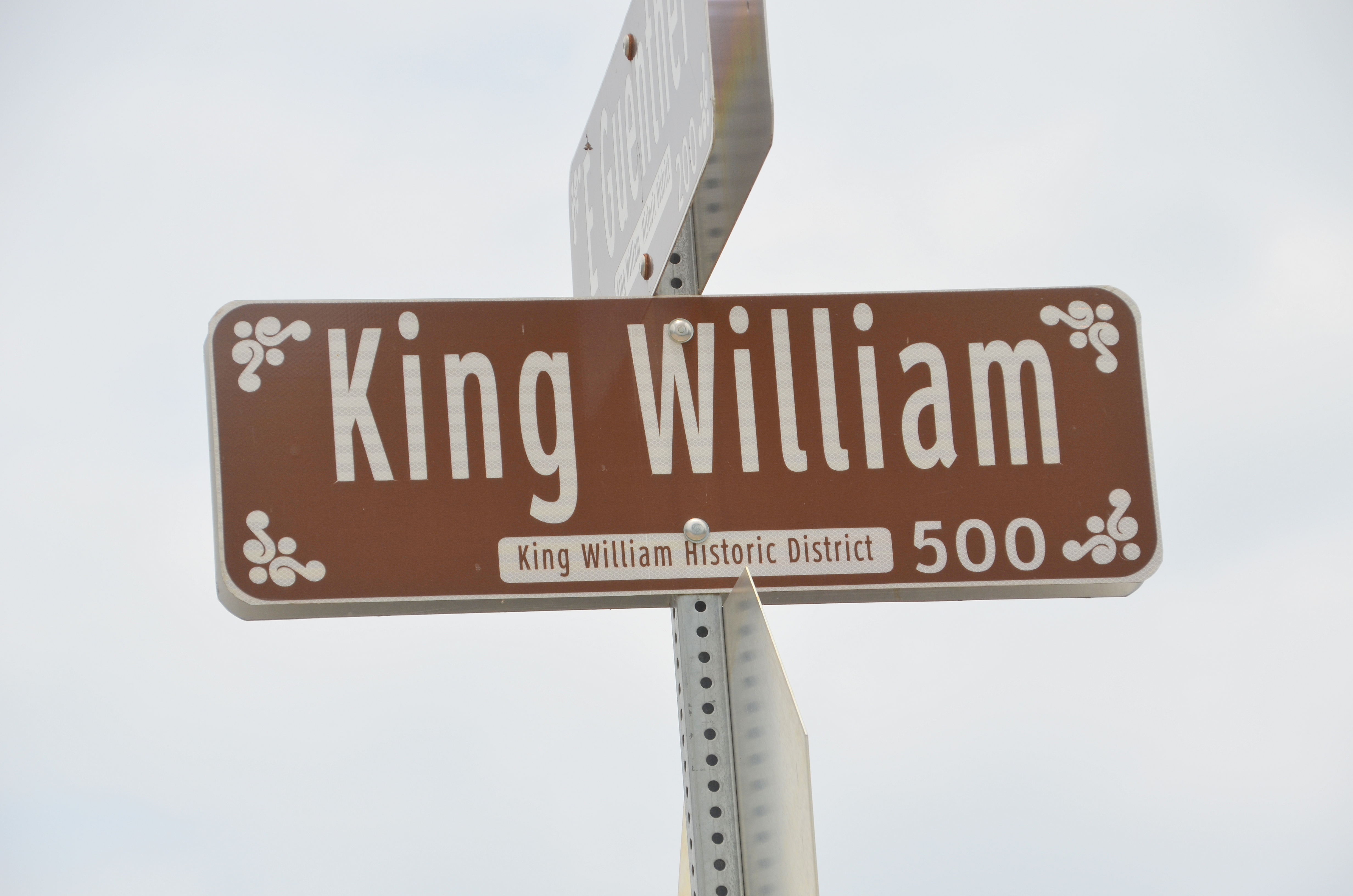
The King William Historic District is located south of downtown and bordered by other streets and the San Antonio River. The district encompasses land that was once irrigated farm land belonging to the Mission San Antonio de Valero, commonly known as the Alamo. When the mission was secularized in 1793, the lands were divided among the resident Indian families from the mission or sold at public auction. In the 1860s the area was subdivided into lots and laid out with the present streets.
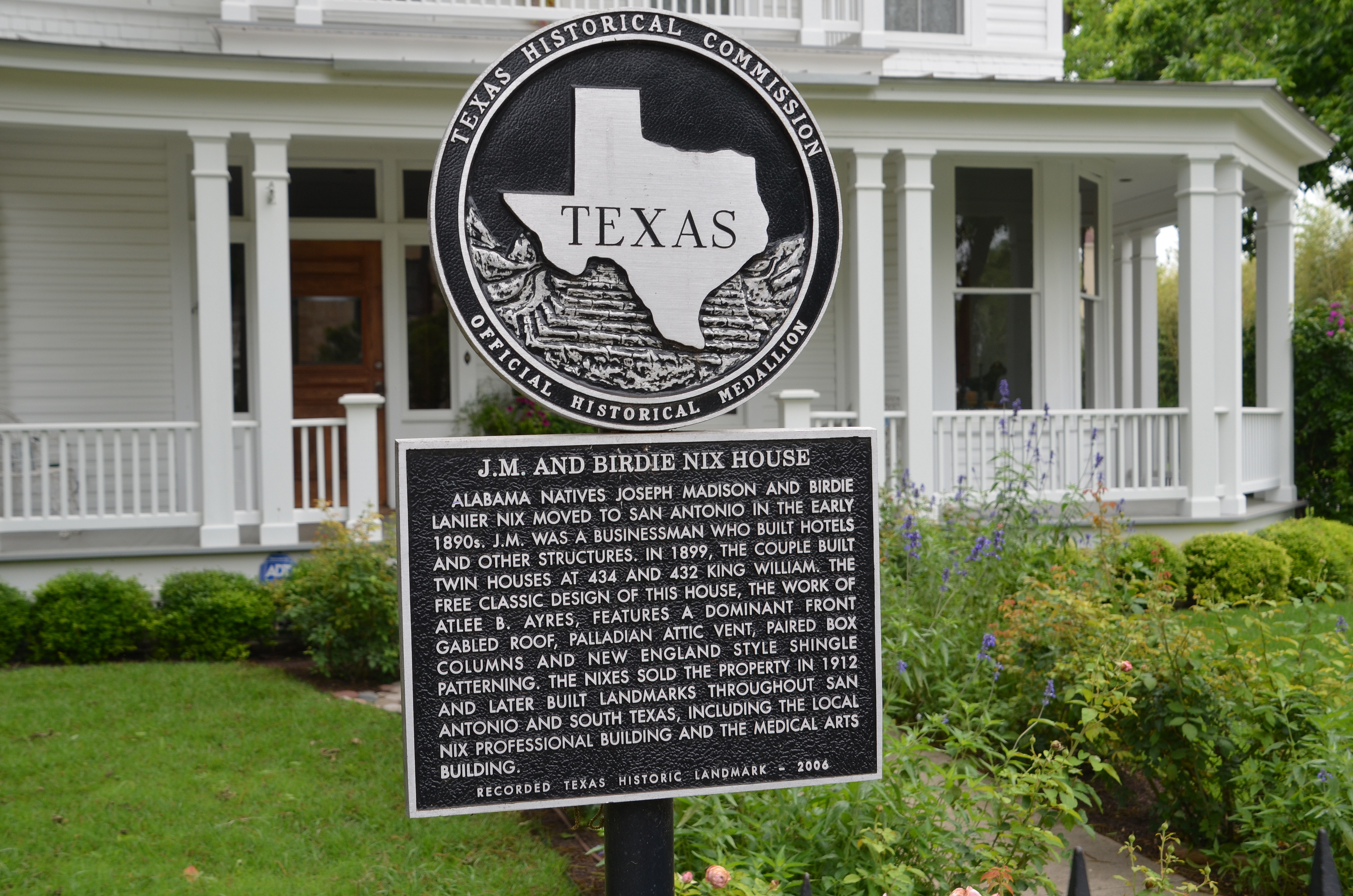
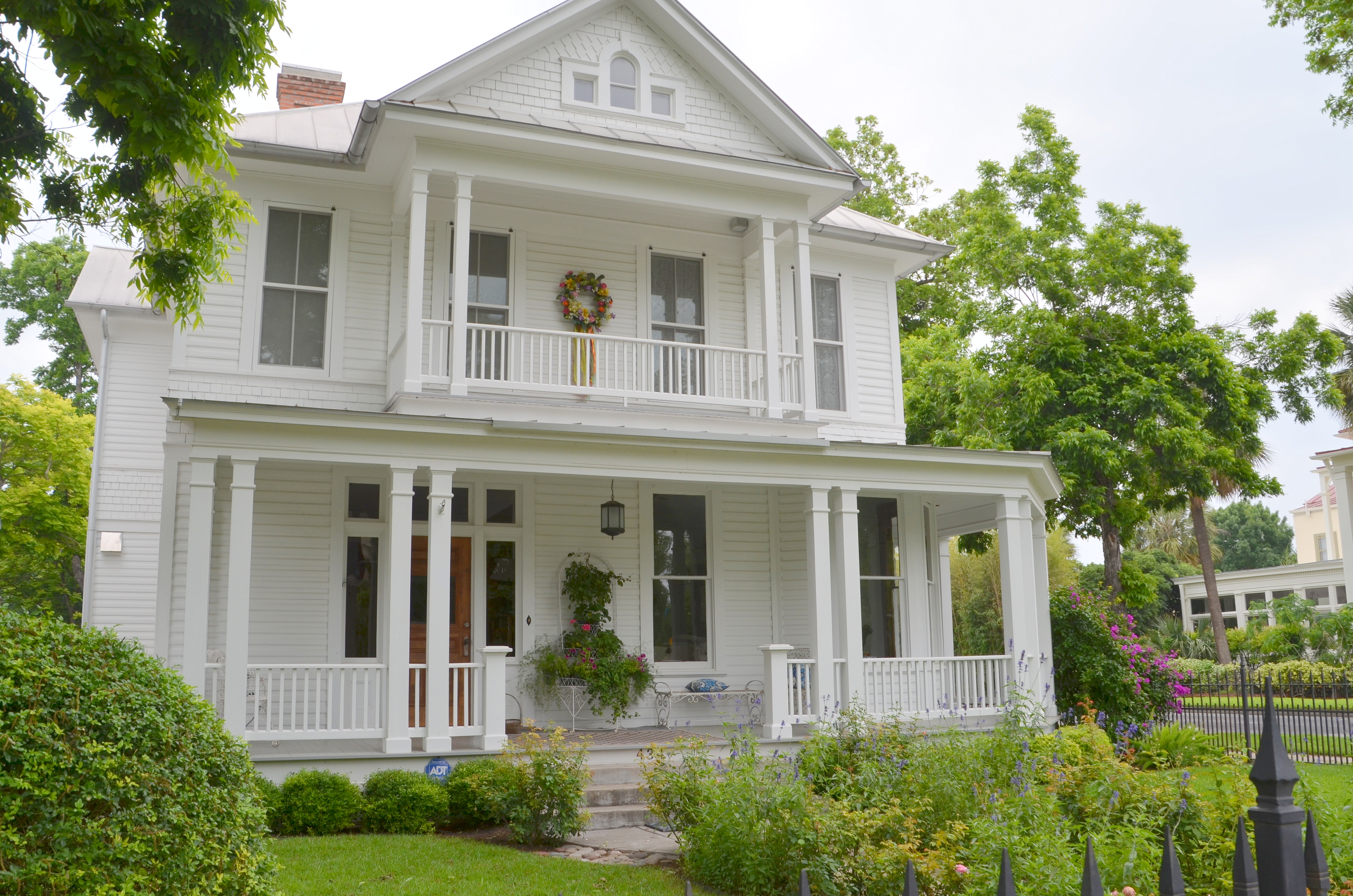
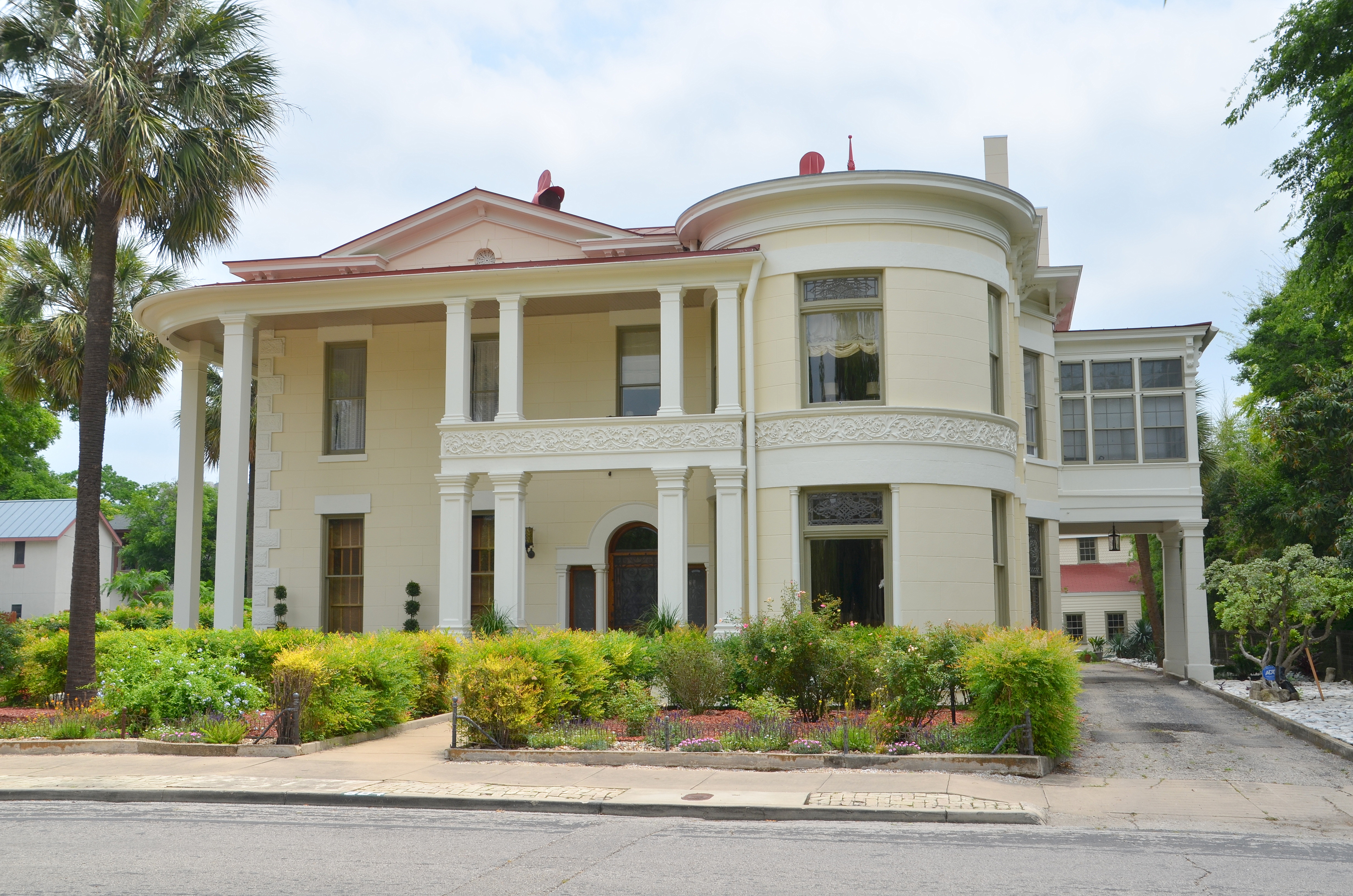
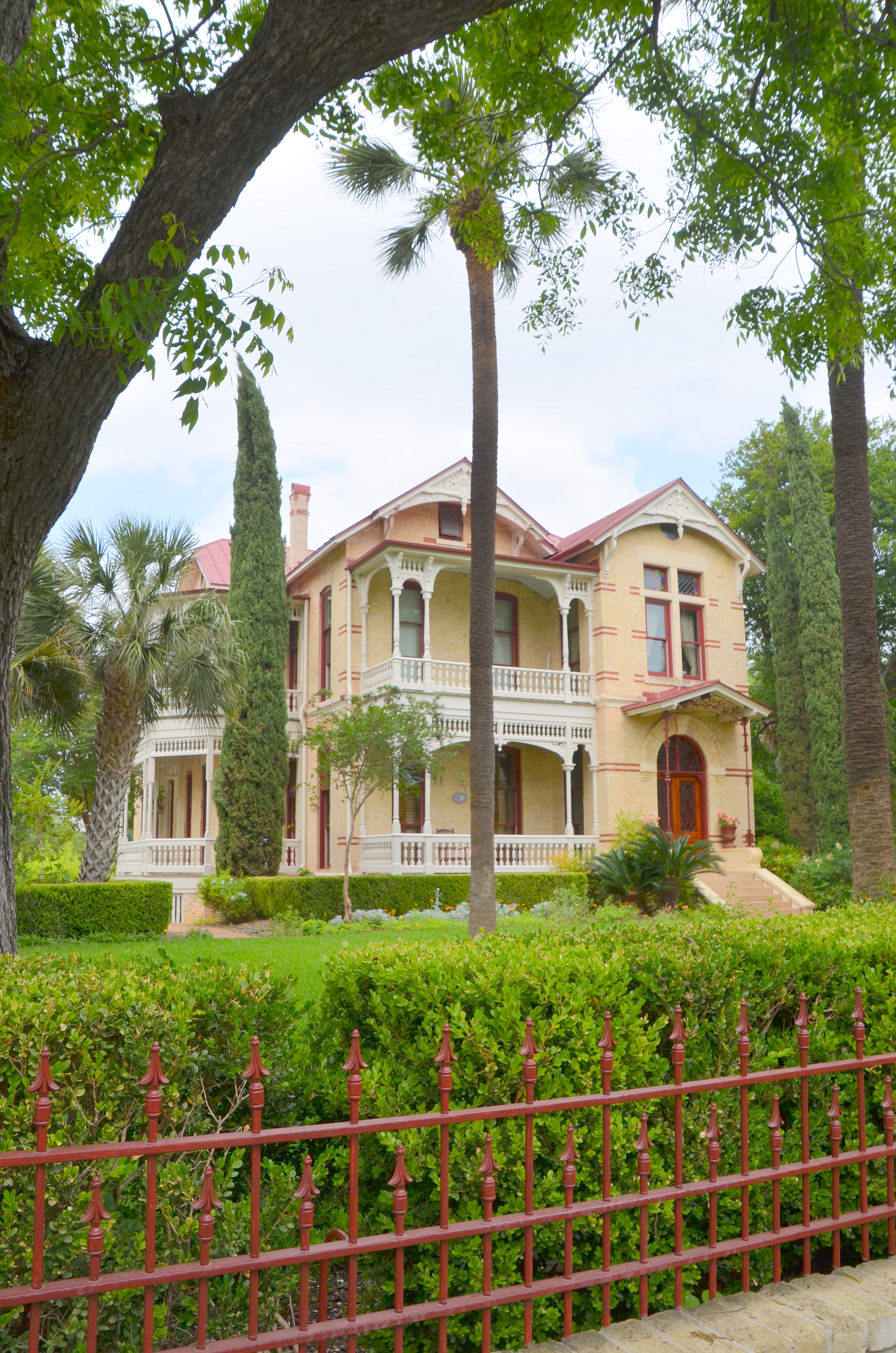
Alabama natives Joseph Madison and Birdie Lanier Nix moved to San Antonio in the early 1890s. J.M. was a businessman who built hotels and other structures. In 1899, the couple built twin houses at 434 and 432 King William. The Free Classic design of this house, the work of Atlee B. Ayres, features a dominant front gabled roof, Palladian attic vent, paired box columns and New England style shingle patterning. The Nixes sold the property in 1912 and later built landmarks throughout San Antonio and South Texas, including the local Nix Professional Building and the Medical Arts Building. Recorded Texas Historic Landmark – 2006
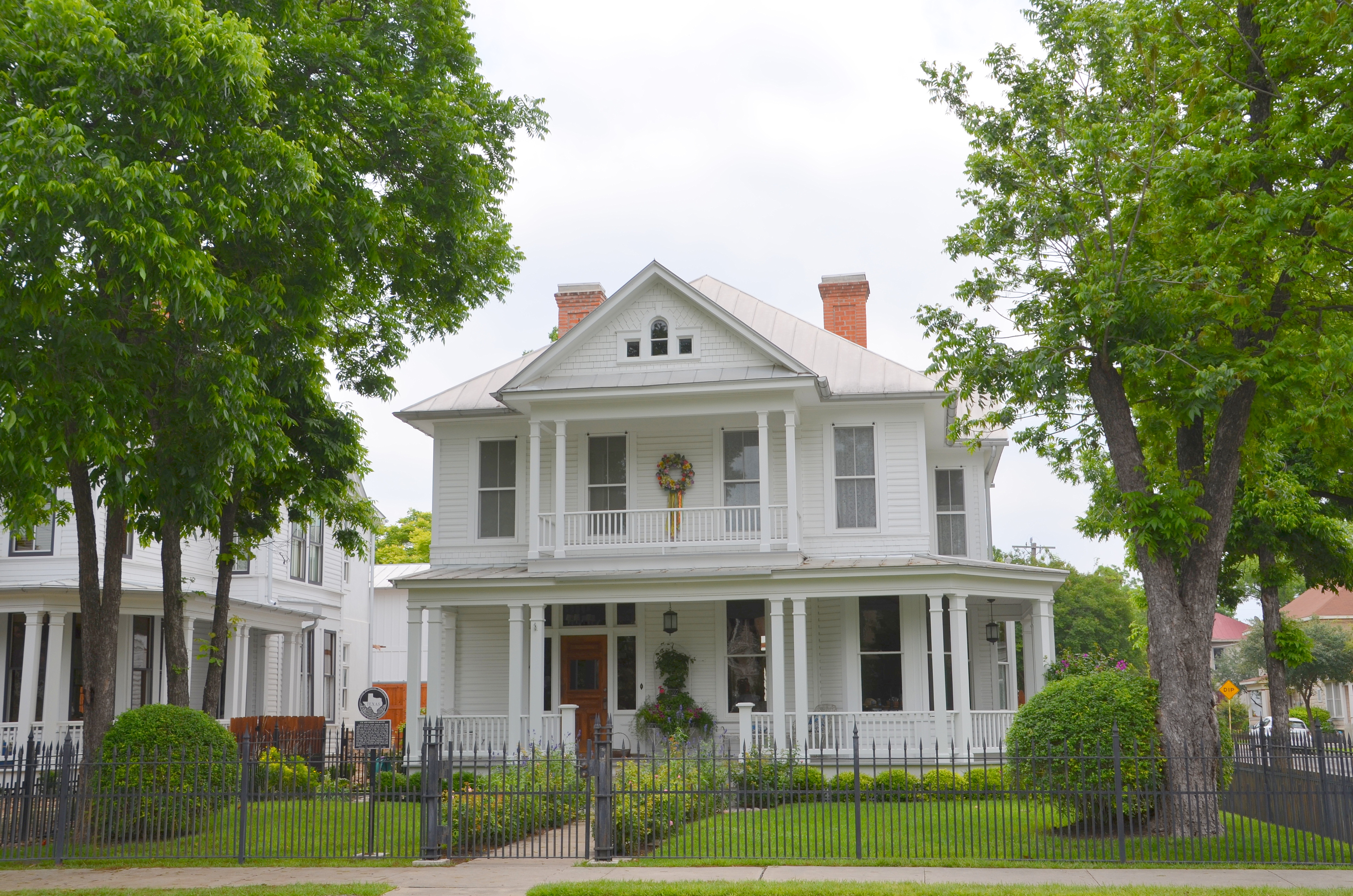
It was about this time in the mid-nineteenth century that a great many Germans, who had immigrated to Texas in the 1840s, began to settle in this area, and it became known as “Sauerkraut Bend” to the rest of San Antonio. The area developed into an idyllic neighborhood of large, impressive houses designed in the Greek Revival, Victorian, and Italianate styles. The main street into the neighborhood was given the name King William in honor of King Wilhelm I, King of Prussia in the 1870s. During World War I, when America was at war with Germany, the name was changed to Pershing Avenue. A few years after the war ended the King William name was restored.
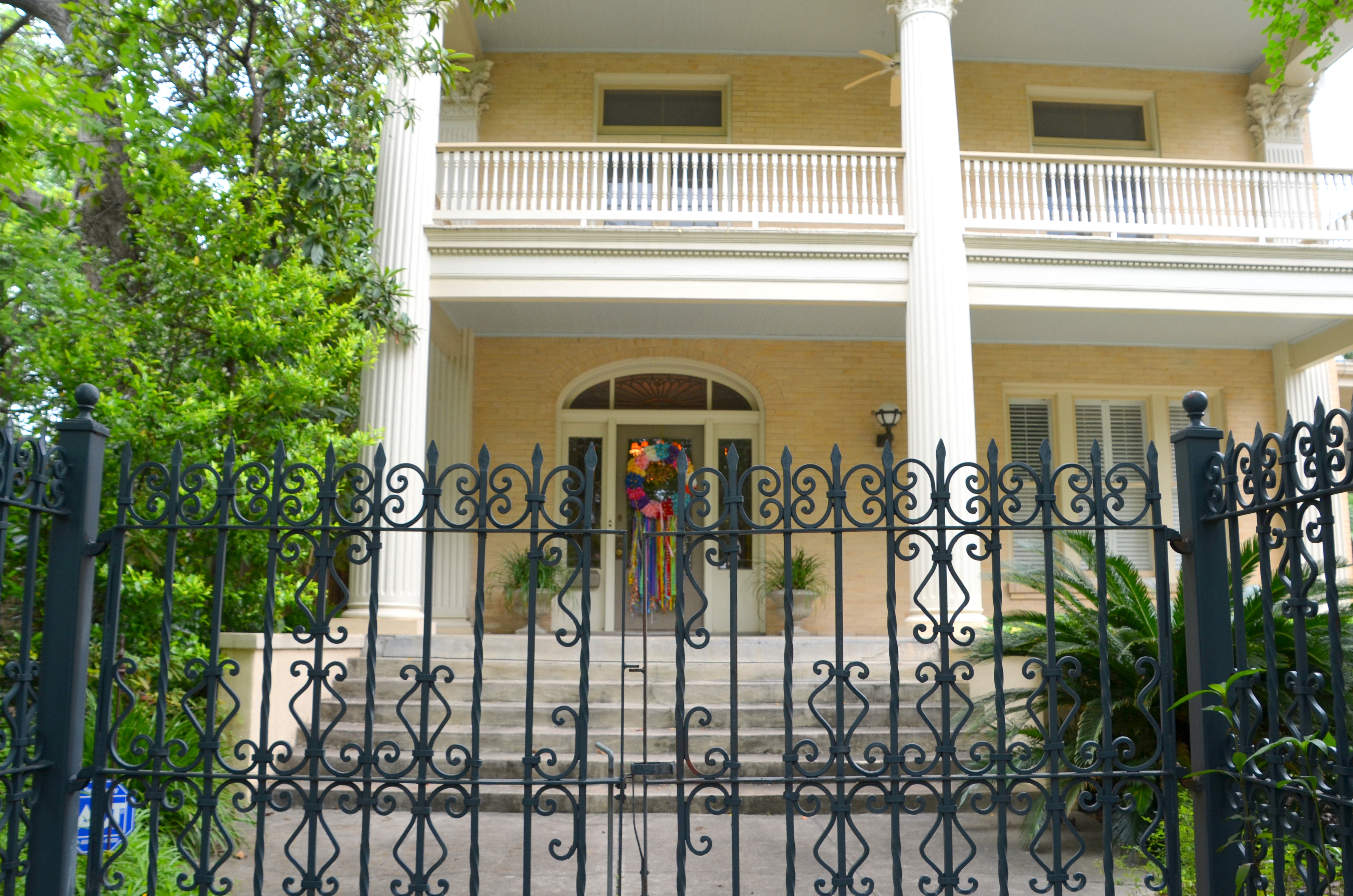
In the early 1900s the King William area began to wane as a fashionable neighborhood, and by 1920 many of the original homebuilders had died and their children moved to other parts of San Antonio. During the 1930s and 1940s the neighborhood declined. Many of the fine old homes were converted into apartments, and only a few of the earlier settlers remained.
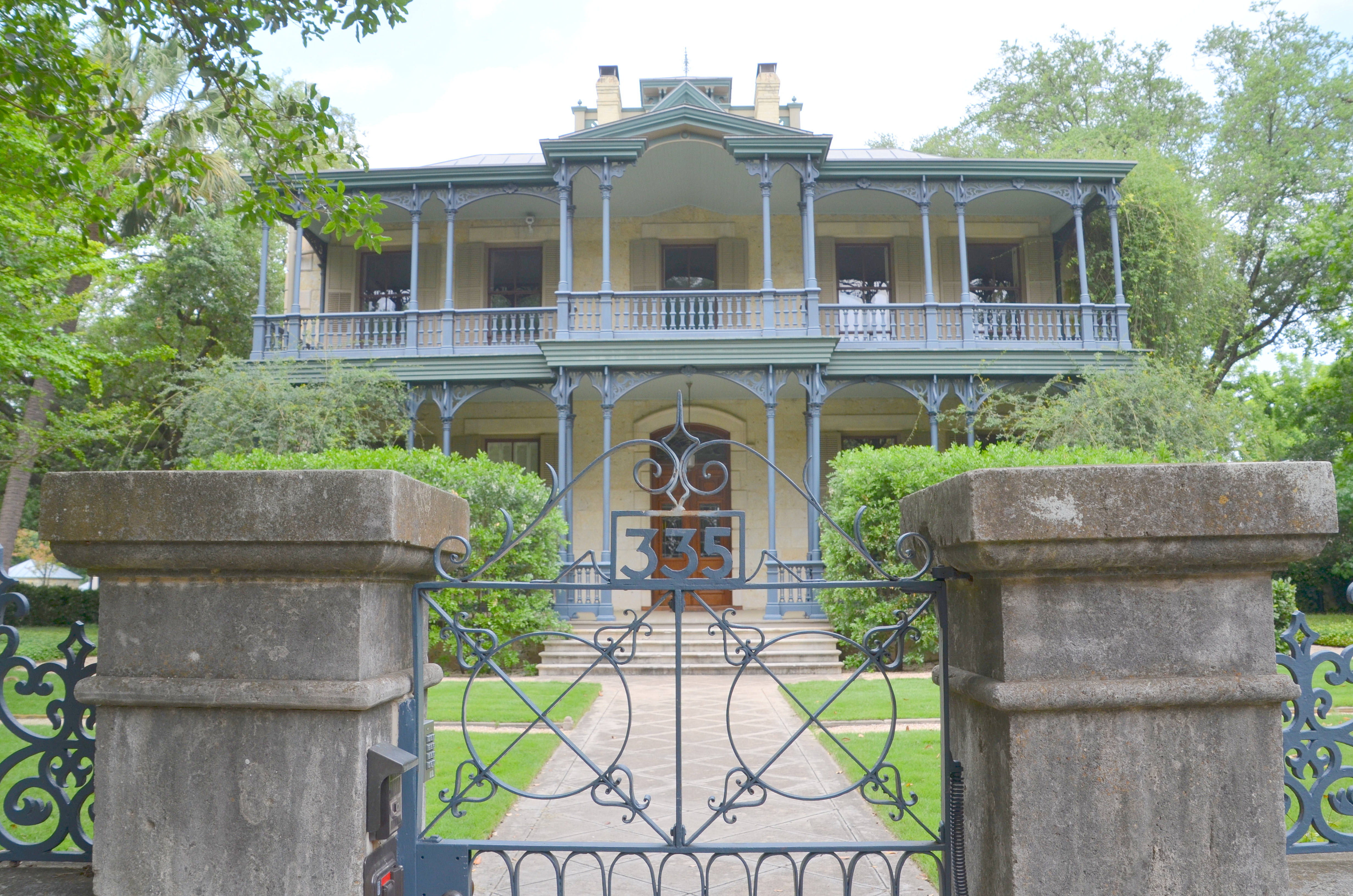
Around 1950, however, the area began to attract a group of people who found its proximity to the downtown business district attractive and who, moreover, recognized the potential of restoration of the fine old houses and smaller cottages. An interest in preservation of the area was initiated, and it slowly became a “fashionable” and desirable place to live once again. In 1968 the King William neighborhood became San Antonio’s first designated historic district. In 1972, King William was listed as a National Register Historic District. The district was expanded in 1984 to include the area of more modest late 19th and early 20th century homes between S. Alamo and S. St. Mary’s Streets.

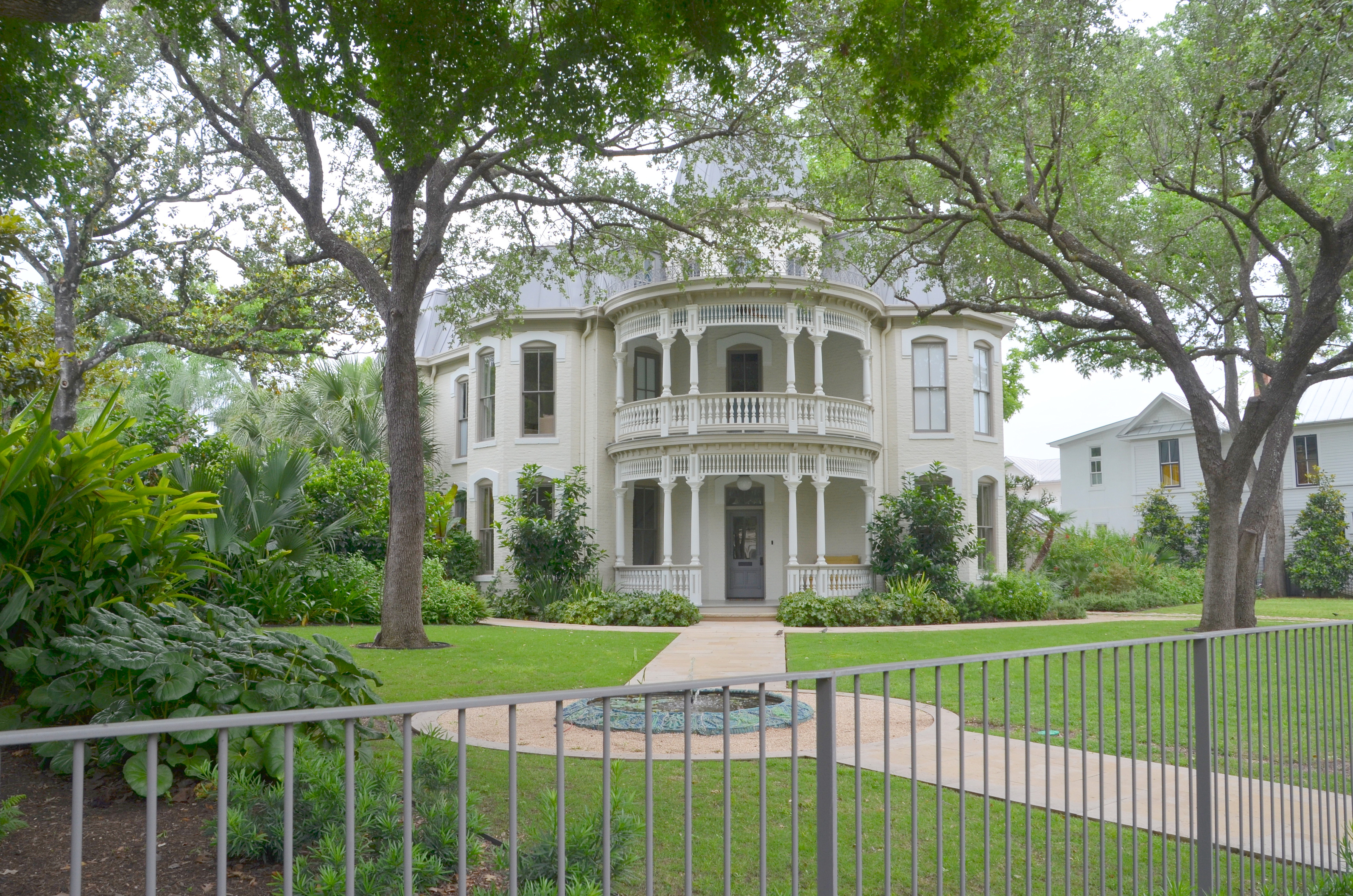
Located at 401 King William Street in San Antonio, Texas, Villa Finale (pictured above) was the last home of local preservationist, Walter Nold Mathis who was instrumental in the revitalization of the historic King William neighborhood.
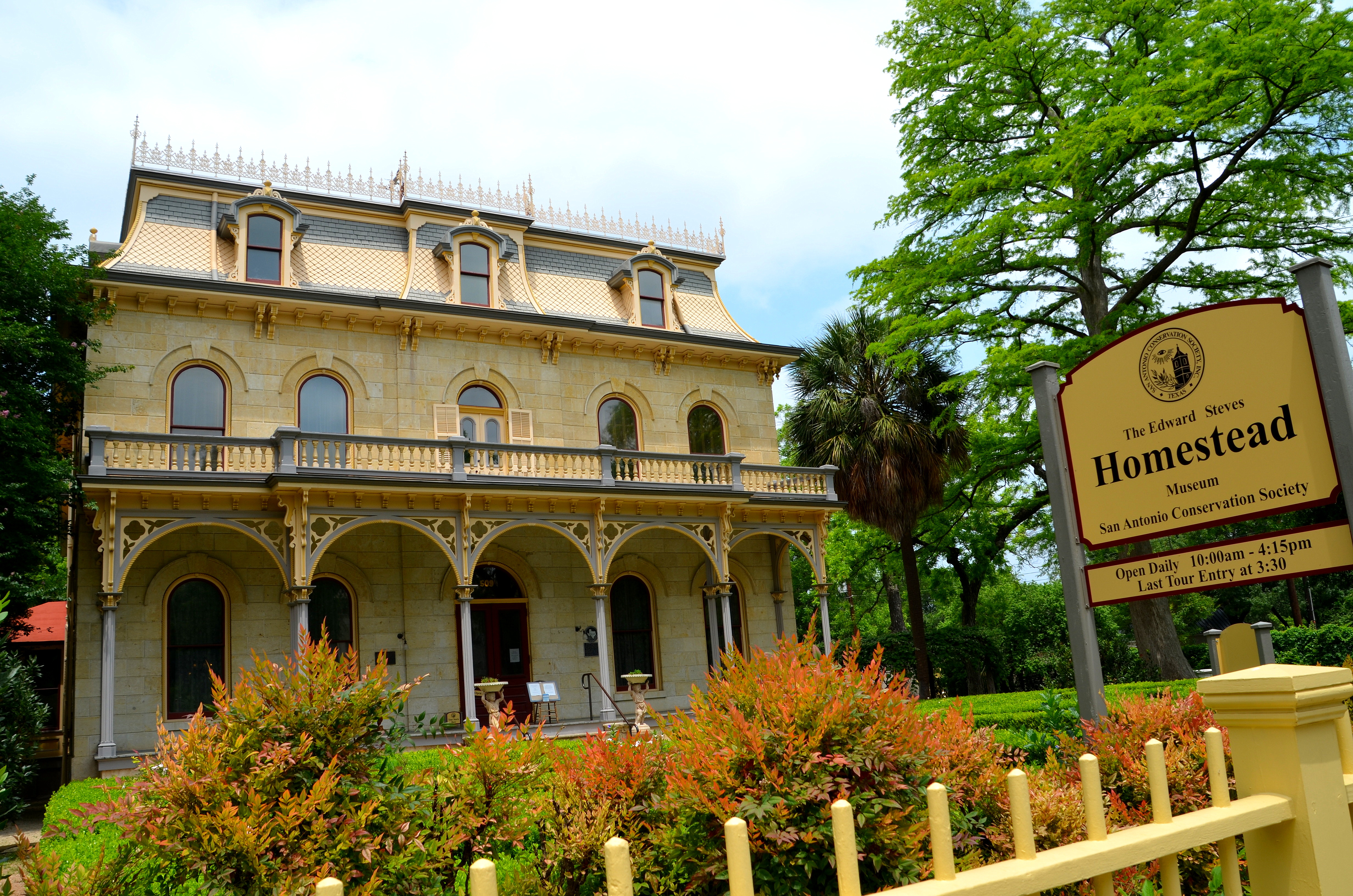
This elegant three-story mansion was built in 1876 for Edward Steves, founder of the Steves Lumber Company. Alfred Giles, prominent San Antonio architect, is thought to be the designer of the ashlar limestone structure which features a concave mansard roof with decorative iron cresting and exhibits characteristic of the French Second Empire and the Italian Villa styles.
In 1952, the property was donated to the San Antonio Conservation Society by Mr. and Mrs. Curtis Vaughan in memory of her grandparents, Mr. and Mrs. Edward Steves, and her parents, Mr. and Mrs. Albert Steves. The Steves Homestead has been maintained since 1954 as a historic house museum.
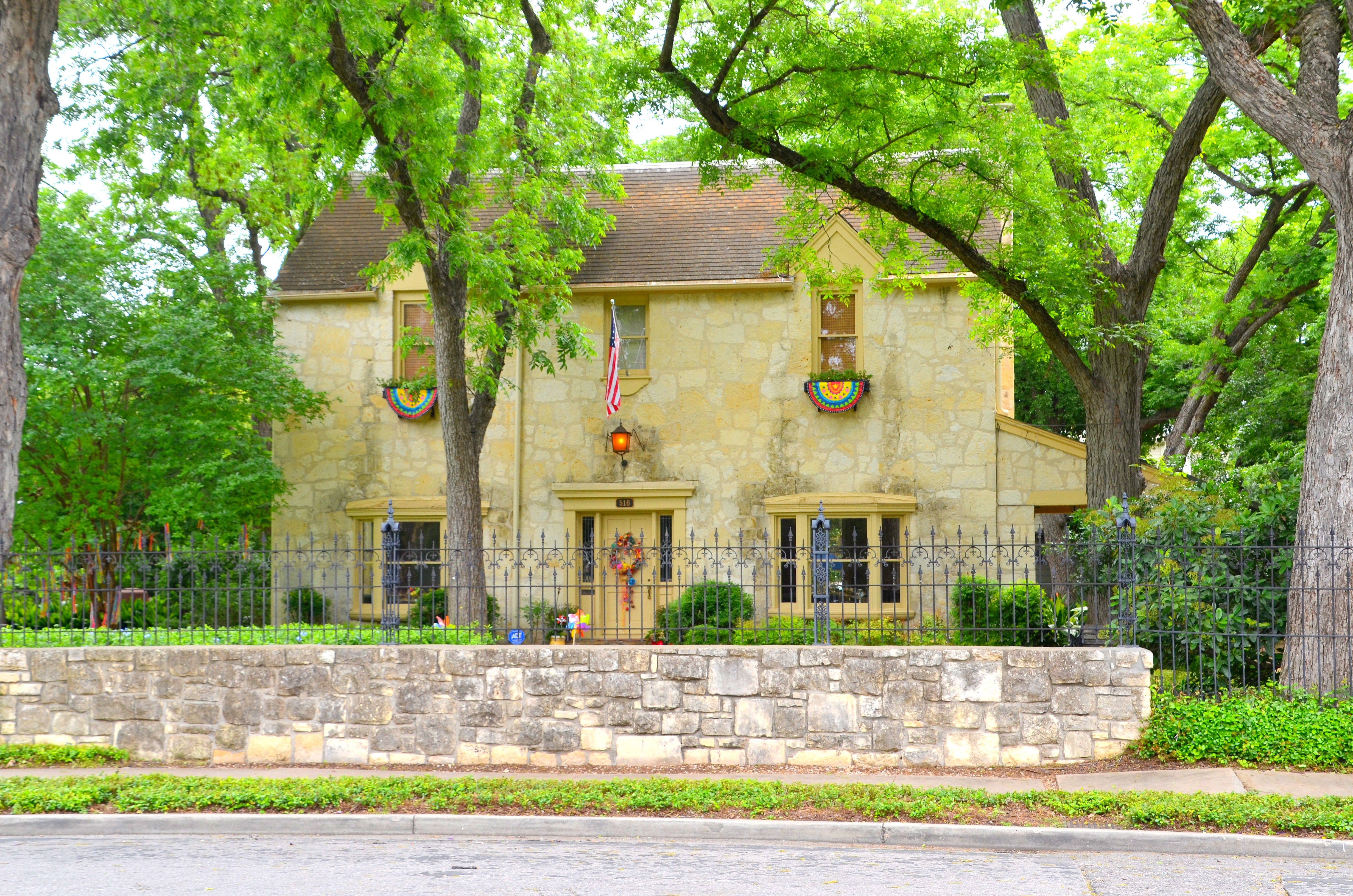
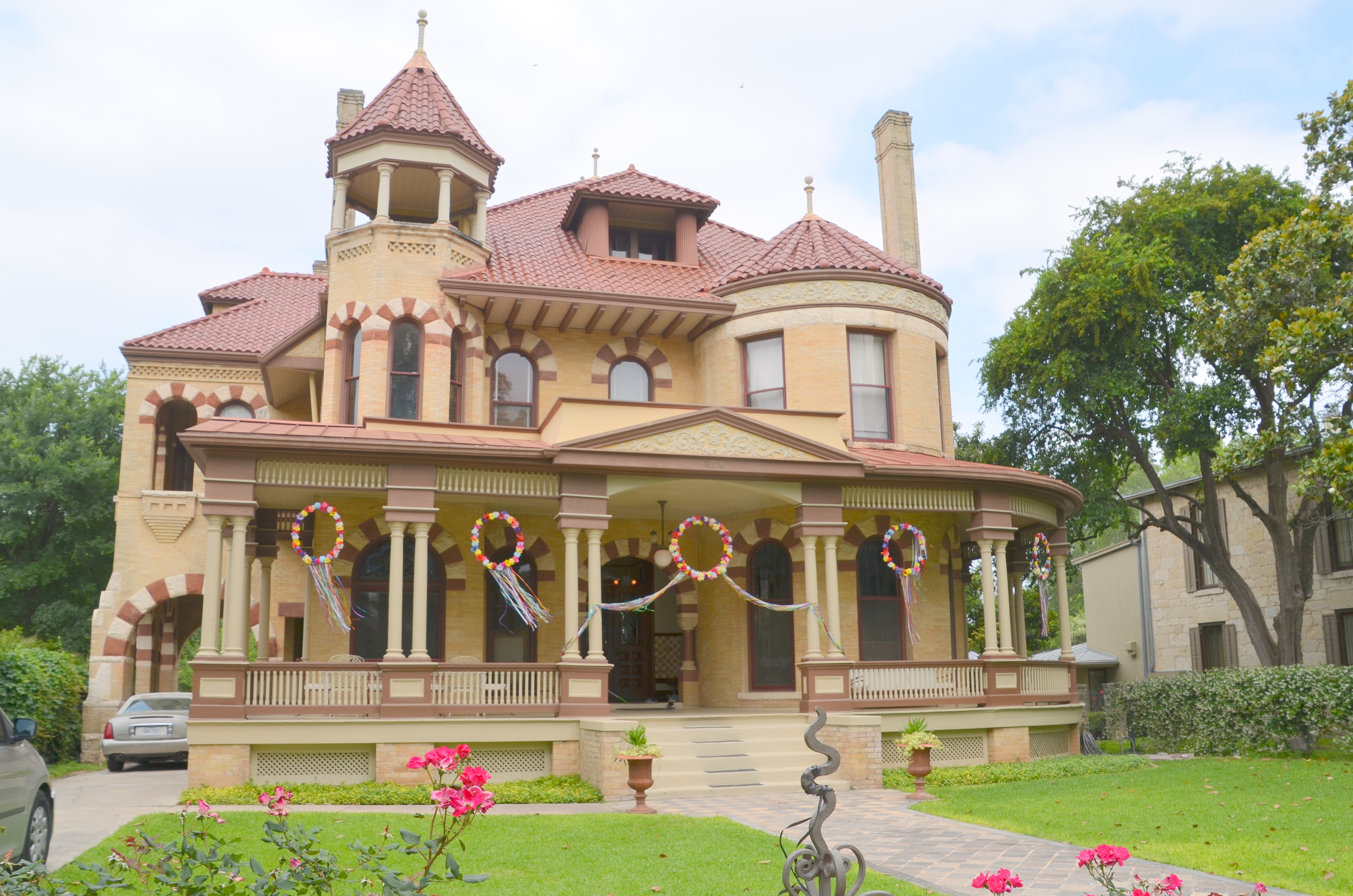
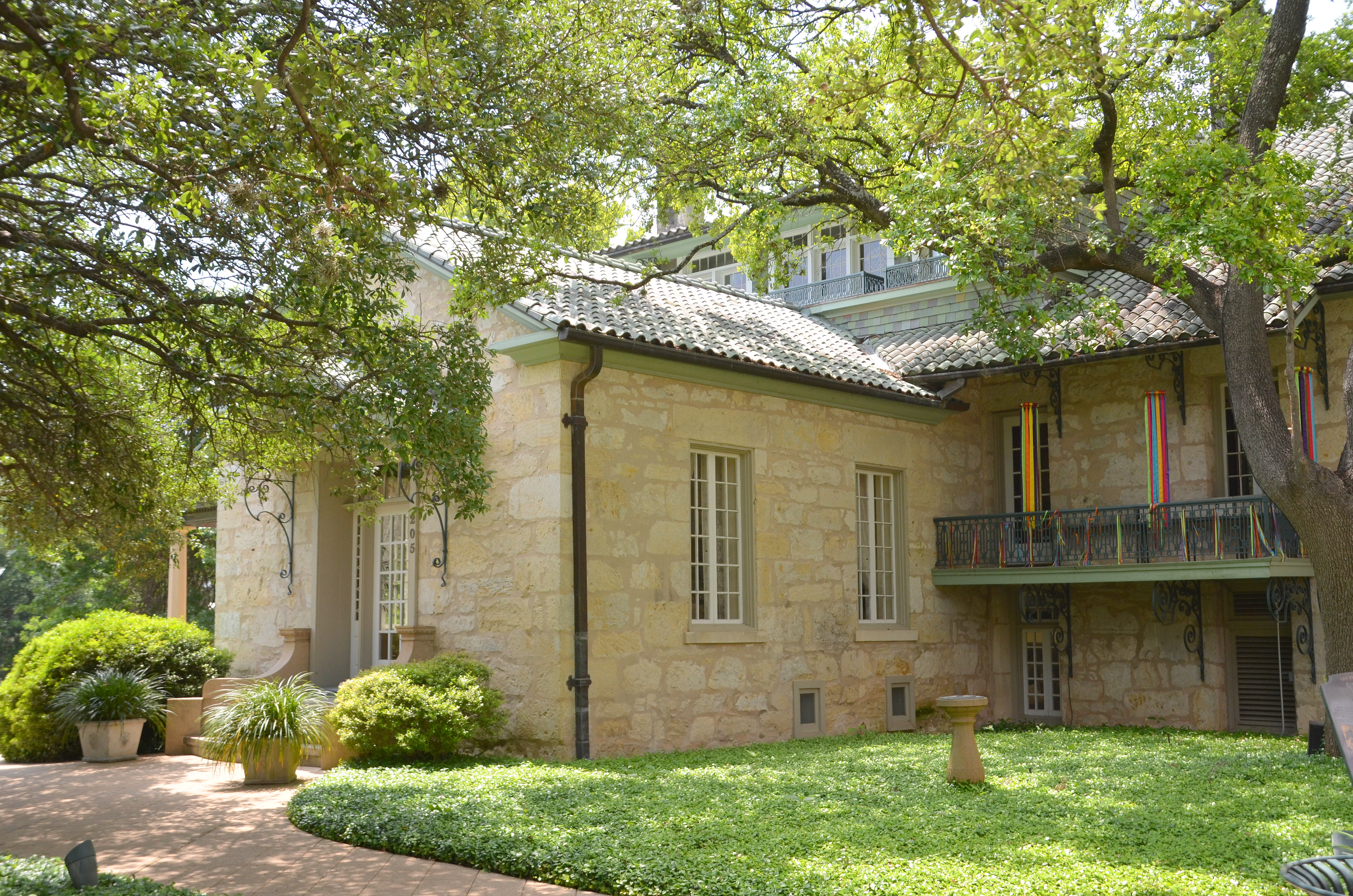
Many of these grand homes had colorful decorations on them that I’m guessing are related to the King William Fair that was held April 29th. I walked down this street on April 27th. I found this little blurb about the Fair parade. “What really sets this event apart is the sparkling beauty of its historic setting near the heart of downtown San Antonio, where the King William neighborhood entices fair-goers to relax and unwind along shady, tree-lined streets adorned with stately Victorian homes, cozy cottages and gracious gardens.”
A long post with lots of information. Thanks for scrolling all the way to the end.
In the 4th grade I memorized some verses from the Bible that have stuck with me over the years. I’m using the King James Version of the Bible since that’s the version I memorized these words from Jesus. I think of these verses when I see mansions like these.
John 14: 1-3 ~ Let not your heart be troubled: ye believe in God, believe also in me. In my Father’s house are many mansions: if it were not so, I would have told you. I go to prepare a place for you. And if I go and prepare a place for you, I will come again, and receive you unto myself; that where I am, there ye may be also.
My Pop celebrated his 93rd birthday yesterday and here he is blowing out the candle on his birthday cherry pie. He’s looking forward to his place in heaven with his Savior!

 The Happy Wonderer ~ ellen b.